Today’s mental health system has a diagnosis for almost everyone who wants one — whether through a prescriber, a clinician, or “Dr Google.” But where is this taking us?
For decades, we have been told that mental distress is largely the result of chemical imbalances in the brain. Yet despite billions of dollars invested in research, there remains no definitive biological marker, genetic test, or brain scan capable of reliably diagnosing what we call most “mental disorders.” Still, the idea persists that distress, suffering, trauma, anxiety, grief, or despair can often be reduced to a diagnostic label — and treated primarily with medication.
So we receive a diagnosis. What then?
Too often, the next step is a prescription.
Over the past few decades, we have dramatically increased the number of people who believe they will need psychiatric medications for life. For some people, these medications are profoundly helpful, stabilising, and even lifesaving. But what about those who are harmed rather than helped? What about the people experiencing emotional blunting, cognitive fog, agitation, sexual dysfunction, dependency, withdrawal effects, metabolic changes, or a diminished sense of self?
What happens to the principle of first, do no harm?
Mental health care can begin to resemble a blunt instrument — one that too often prioritises symptom suppression over understanding the deeper ecology of a person’s life.
There is another way.
We urgently need more careful, individualised, and relational approaches to healing — approaches that include thoughtful medication review and optimisation, safer prescribing and deprescribing pathways, nervous system stabilisation, trauma-informed care, relational wellbeing, community connection, and collaborative decision-making.
We need systems that recognise the difference between relapse and medication withdrawal. Systems that support gradual tapering where appropriate. Systems that help people build meaningful, connected lives — not simply remain indefinitely medicated.
Importantly, many of these approaches are not only more humane and empowering, but potentially more economically sustainable. Community-based supports, psychotherapy, peer connection, social prescribing, exercise programs, housing support, and recovery-oriented interventions are often lower-cost and more evidence-informed than long-term, medication-only approaches.
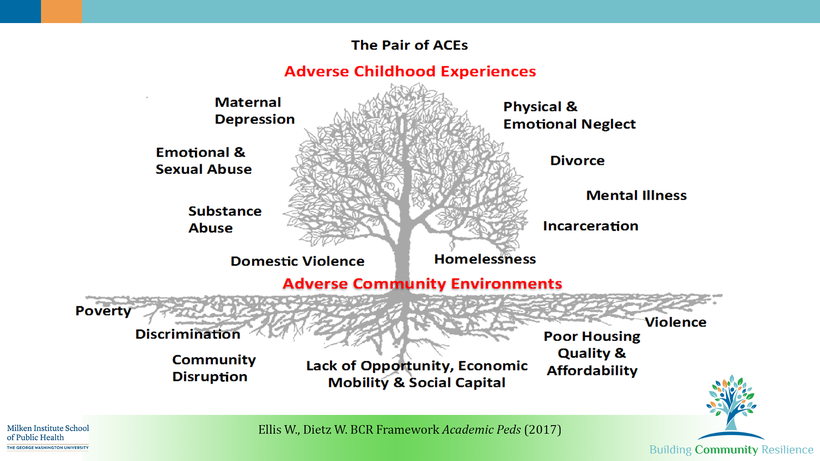
In the UK, for example, the idea of “social prescribing” is gaining traction — recognising that loneliness, poverty, trauma, disconnection, and lack of meaning cannot always be medicated away.
Humans are not simply brains with faulty chemistry.
We are relational, embodied, meaning-making beings shaped by trauma, relationships, community, power, loss, hope, and circumstance.
Perhaps mental health care needs instruments of discernment, relationship, and wisdom — not just blunt tools.