A Brief Reflection on Psychiatry’s Past, Present and Future
Psychiatric diagnoses are often understood as neutral medical descriptors — names that help clinicians organise information, plan care, or understand suffering. But history tells a more complicated story. In many periods of the 20th century, labels did more than categorise distress: they functioned as powerful social tools that justified harmful, invasive and sometimes irreversible interventions. This has become a more subtle but still pervasive theme today.
Labels as Social Judgments Disguised as Medicine
Diagnoses such as “hysteria,” “sexual deviation,” “moral insanity,” or “promiscuity” were not neutral markers of illness. They were moral judgments wrapped in medical language. Once applied, these labels sanctioned interventions that would otherwise be unthinkable, including lobotomy, insulin shock therapy, prolonged institutionalisation, water boarding, internal organ removal (we were only “hysterical” women so why not remove our uterus, or the spleen and parts of the bowel) and many other aversive treatments. The authority of the diagnostic label provided legitimacy even when evidence of benefit was absent.
Institutional Power and the Silencing of Patients
Large psychiatric hospitals operated as powerful institutions — places where autonomy and identity were often stripped away. Labels guided interpretations of behaviour and justified coercion, allowing harmful practices to persist for decades. We are still seeing this with the pervasive use of ECT and physical or chemical restraint despite current research showing long term harms to clients are not as infrequent as once assumed.
Treatments That Harm Under the Banner of Care
Many interventions justified by labels caused lifelong injury: lobotomy, insulin coma therapy, aversion-based ‘treatments’ for homosexuality, and others. These interventions were mainstream, delivered widely, often without informed consent.
Today, many people are consenting to prescribed medications without full information about possible harms such as increased risk of prolonged QT interval (it can make the heart stop), suicidality, metabolic syndrome, weight gain, the numbing of pleasure including sexual pleasure, or the potential difficulty of reducing or ceasing such medications in the future. Yet it is also true that some of the harms come from demands of the clients themselves who seek a quick remedy for suffering after labelling -themselves- via social media.
The Legacy: Trauma, Distrust, and Lessons for Today
The harm from labels is not only physical. Many marginalised and first nations people left or leave institutions with deeper relational trauma, as the institutions that were supposed to help them, harmed them further, did not listen to them, practiced coercion via stealth “take this medication now or we will have to inject you”, etc. Understanding this history is essential as modern mental health care evolves. It reminds us that labels carry power, diagnostic systems reflect cultural values, and trauma-informed practice requires humility and awareness of past harms.
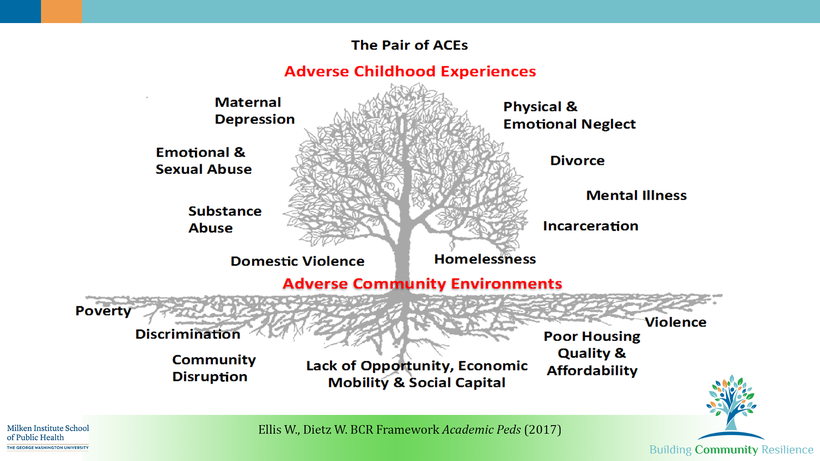
I’ve been thinking a lot about the bigger picture, the ways that issues like poverty, isolation, discrimination, marginalisation, misogyny and power imbalances are contributing massively to what is happening in society at the moment, yet ignored by most countries except for Finland, a country about the same size as Victoria.
Speaking as someone who has been in the system for decades, there is no doubt that the current system creates a population where there is a “disorder4everyone”, such labels that can makes people believe they cannot recover, or will stay sicker for longer, become more disempowered, or way more reliant on drugs, drugs, drugs. If we are to fix the current epidemic of mental health issues, the current system should be questioned more thoroughly and critically analysed. We, as health professions need to be less certain, and more open and curious about labels.
I’m interested in your views. Let’s reflect together on what is both comfortable or uncomfortable about labelling